


Welcome to the second issue of Three Threats Thursday. Our public lands continue to be under attacked with an almost complete disregard for how YOU feel about it.
This week we have public lands threats you can act on that affect fishing, hunting, hikers, boaters, campers and more. They range from Alaska to Oregon to Utah. Here they are:
🔴 The Big One: Open-pit Copper Mine on Ambler Road affecting Caribou Herds
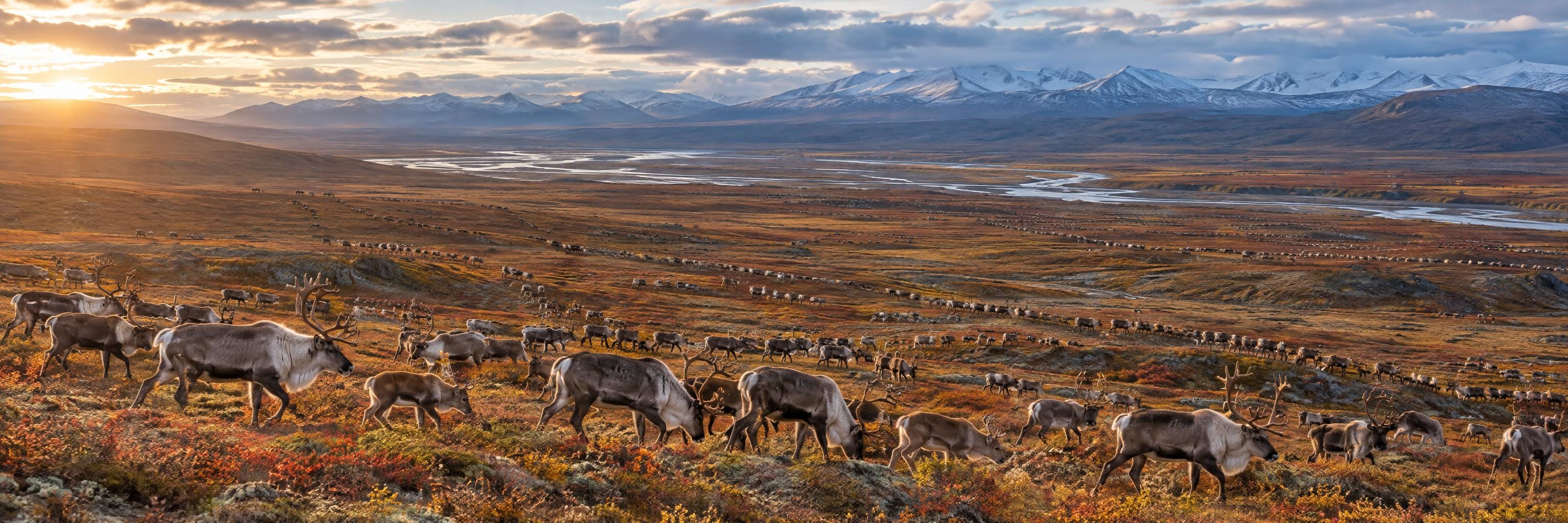
Where: The Arctic deposit on the upper Kobuk River, in the Brooks Range foothills of northwest Alaska. The permit decision belongs to the U.S. Army Corps of Engineers.
What’s happening: Ambler Metals wants to dig an open-pit copper, zinc, and lead mine that would process about 11,000 tons of ore a day for about 13 years. It would permanently fill about 121 acres of wetlands and streams and hold its tailings behind a dam at the headwaters of Subarctic Creek. The ore would be trucked out on the Ambler Road, a 211-mile industrial road still being fought in court. This is the first of the mines that road was built to open. Water treatment would have to continue after the mine closes, and the company’s own filing prices the first century of it at about $1.1 billion.
Why it matters: Caribou hunters, first. The Western Arctic Caribou Herd has fallen from 490,000 animals in 2003 to 121,000 in 2025, and between 88 and 95 percent of households in the Kobuk River villages rely on caribou. Anglers too: the upper Kobuk holds the largest spawning sheefish run in northwest Alaska, and Dolly Varden spawn in the creek where the tailings would go. Hikers and river floaters lose as well, because the road crosses about 26 miles of Gates of the Arctic National Preserve. And every taxpayer should ask who pays for a hundred years of water treatment if the company walks away.
Deadline: Monday, Nov 2
Take action (2 minutes): This is scoping, when the Corps decides what its review has to cover. Ask it to study the whole mining district the road would open, not just one pit, and to say who pays for water treatment after closure
Groups fighting the Ambler Road: Northern Alaska Environmental Center, lead plaintiff in the lawsuit over the road’s permits, with Trustees for Alaska as counsel. The Wilderness Society, Alaska Wilderness League, and NPCA are also plaintiffs.
⏰ Closing Soon: Geothermal leases on 29,477 acres of the Deschutes
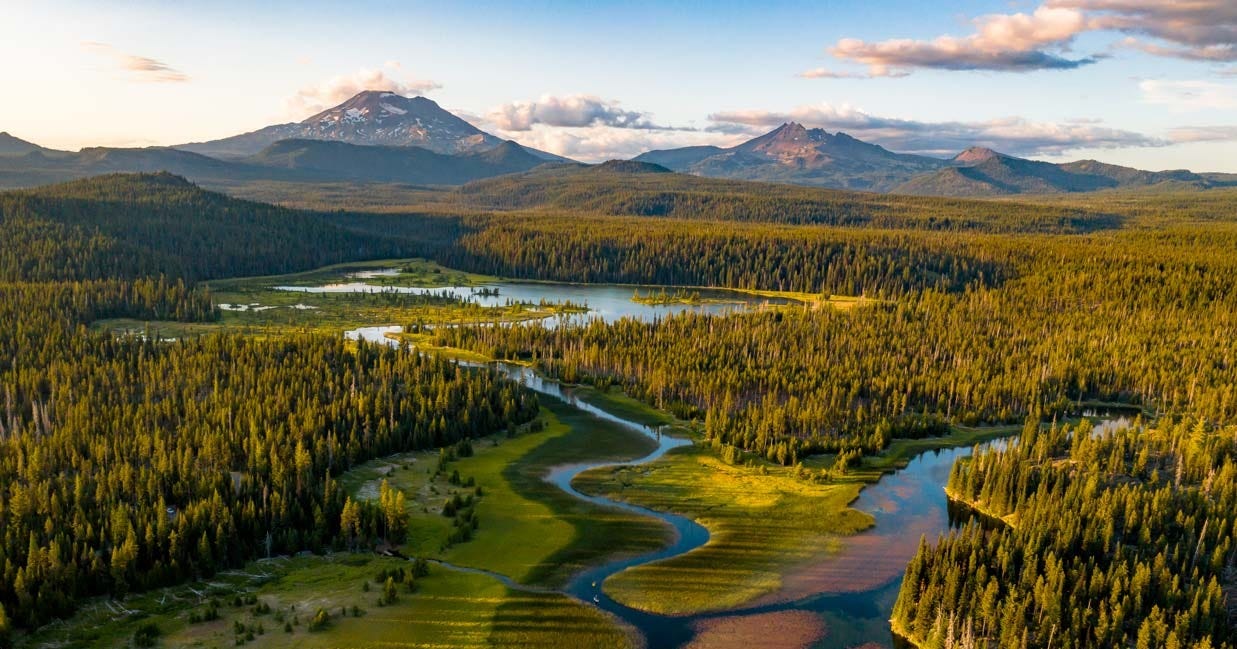
Where: Bend–Fort Rock Ranger District, Deschutes National Forest, about 25 air miles southeast of Bend, Oregon
What’s happening: The Bureau of Land Management has asked the Forest Service to consent to geothermal leasing on about 29,477 acres of national forest. The Forest Service calls its decision an administrative step, but once leases are issued, companies gain the legal right to explore and develop. The notice doesn’t say how many wells, roads, or power lines could follow, or why the agency plans a shorter environmental assessment instead of a full environmental impact statement.
Why it matters: Hunters, hikers, and campers who use this stretch of forest southeast of Bend. The tribes whose ancestral lands these are, since the notice never mentions tribal consultation. And anyone who thinks the public should see the plan before rights to 46 square miles of forest are handed out.
A fair note: Geothermal is cleaner power than coal or gas, and some conservationists support it. The ask here isn’t “never.” It’s “show us what you’d build before you lease it.”
Deadline: Monday, Oct 19
Take action (2 minutes): Ask the Forest Service to describe what development would actually look like (wells, roads, power lines) and to explain why it isn’t doing a full impact statement before it consents:
📍 From the Field: Brian Head, Utah
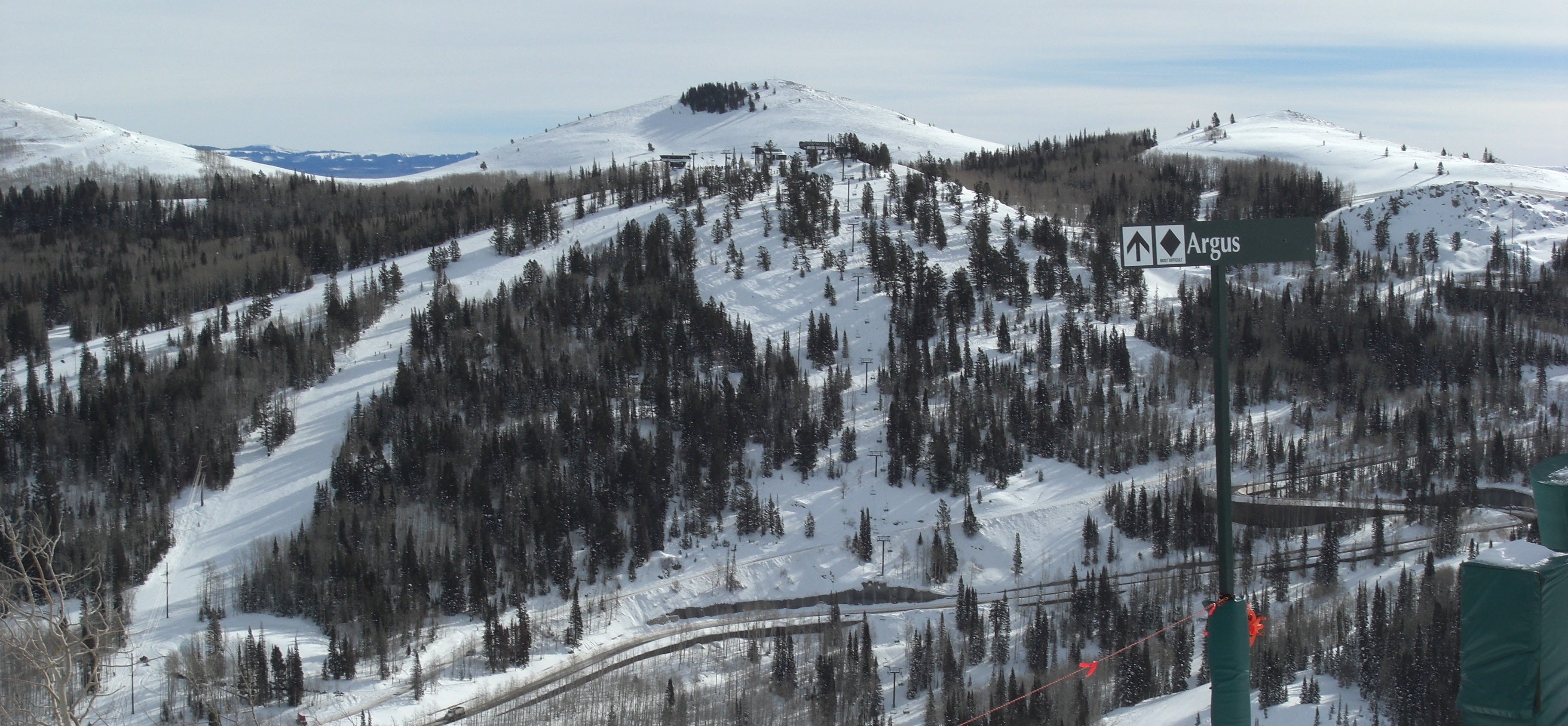
Where: Dixie National Forest, Cedar City Ranger District, around the town of Brian Head, next door to Cedar Breaks National Monument
What’s happening: Brian Head Resort wants to grow its permit on national forest land from 887 acres to 2,538, adding 14 lifts and 359 acres of clear-cut, graded ski runs. It would more than double daily capacity to 9,710 skiers. The Forest Plan would be amended to fit it.
Why it matters: Water first. The Forest Service’s own draft says snowmaking would run about 103 acre-feet a year short of the resort’s dedicated water supply. A study of whether resort wells draw on Cedar Breaks’ springs was never finished because the well owners didn’t allow access. Wildlife next: the agency’s biologists call the harm to the local pika population significant under every option. The forest already has only about 9 of the 40 goshawk breeding pairs its own plan requires, and the expansion would clear 117 acres of potential goshawk nesting habitat. Elk and mule deer habitat is in the analysis too, which matters to the hunters who know this high country.
A fair note: Skiers want this, and the resort is genuinely crowded: winter visits nearly doubled between 2016 and 2025. But the draft never studied upgrading inside the resort’s current footprint before reaching for 1,651 more acres.
Deadline: Thursday, Oct 29
Take action (2 minutes): Ask the Forest Service to study an upgrade-in-place alternative, and to require binding water agreements and the finished Cedar Breaks springs study before any approval:
You can also show up on last week’s threats:
The Mount Taylor uranium comment window closed Wednesday. Two Issue #1 fights are still open if you missed them:
🛢️ Alaska’s NPR-A drilling fast lane, due Nov 9 → Comment through PLAN, or send Earthjustice’s version, which goes straight to the official docket
🐟 Fall Creek logging and Oregon’s Spring Chinook, due Oct 28 → Comment on Fall Creek
On the watch
Grand Staircase-Escalante and Bears Ears were each cut by about 90 percent in July. There’s no comment window yet. One opens when the Bureau of Land Management rewrites the land plans, and I’ll flag it the day it does.
Pass it on
Know a hunter, angler, hiker, or rider who’d do one thing a week for public lands? Forward this email. It’s free, and it takes ten minutes a week.